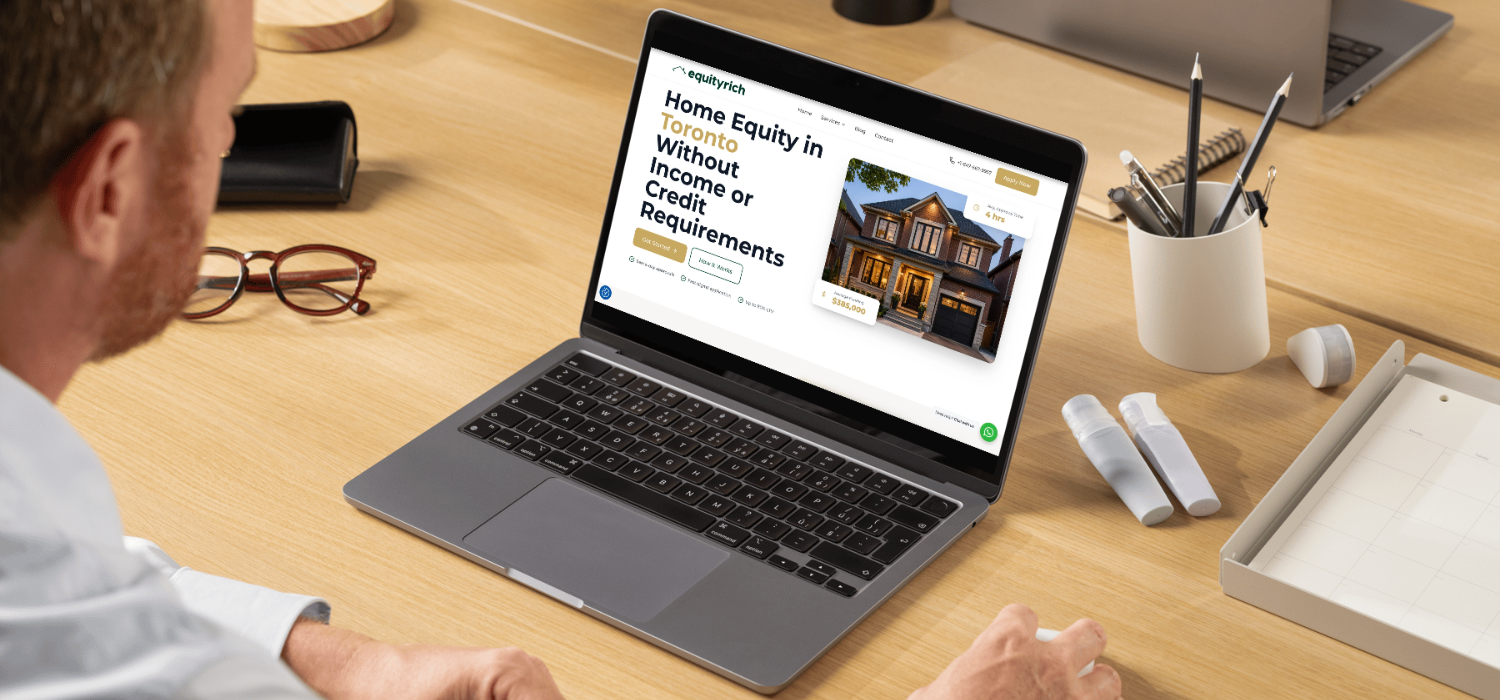

A Digilite Guide to UX Design for Retention & Repeat Traffic
You’ve done the hard part; someone found your website. Maybe they clicked a Google ad, stumbled onto a blog post, or heard your name from a friend. They showed up. But here’s the uncomfortable truth that most businesses overlook: getting a visitor is only half the battle. Getting them to come back is where the real value lives.
Studies consistently show that repeat visitors convert at dramatically higher rates than first-time ones. They’re already familiar with your brand, they’ve had time to build trust, and they’re returning because something resonated with them. So the question isn’t just, “How do I design a great website?” It’s, “How do I design a website that people feel compelled to return to?”
This guide breaks down the UX design strategies, technical foundations, and psychological principles that separate forgettable websites from those that build loyal audiences. Let’s dive in.
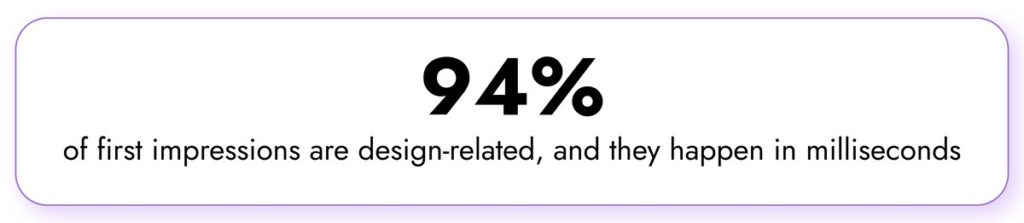
Why Users Don’t Come Back (And How to Fix That)
Before we talk about what draws people back, let’s be honest about what drives them away. Research from various UX studies points to a consistent set of offenders:
- Slow load times: When a page takes longer than three seconds to load, almost 40% of consumers give up. In 2026, patience is not a virtue people extend to websites.
- Confusing navigation: If someone can’t find what they’re looking for in seconds, they leave, and they rarely return.
- Generic, forgettable design: If your site looks like every other template on the internet, there’s nothing to remember. Nothing to bring someone back.
- No reason to return: If your content, offers, or tools don’t give someone a reason to revisit, they won’t.
The good news? Every single one of these is a design problem, which means it’s solvable. And solving it starts with understanding what user retention in web design actually looks like in practice.
The Psychology Behind Repeat Visits
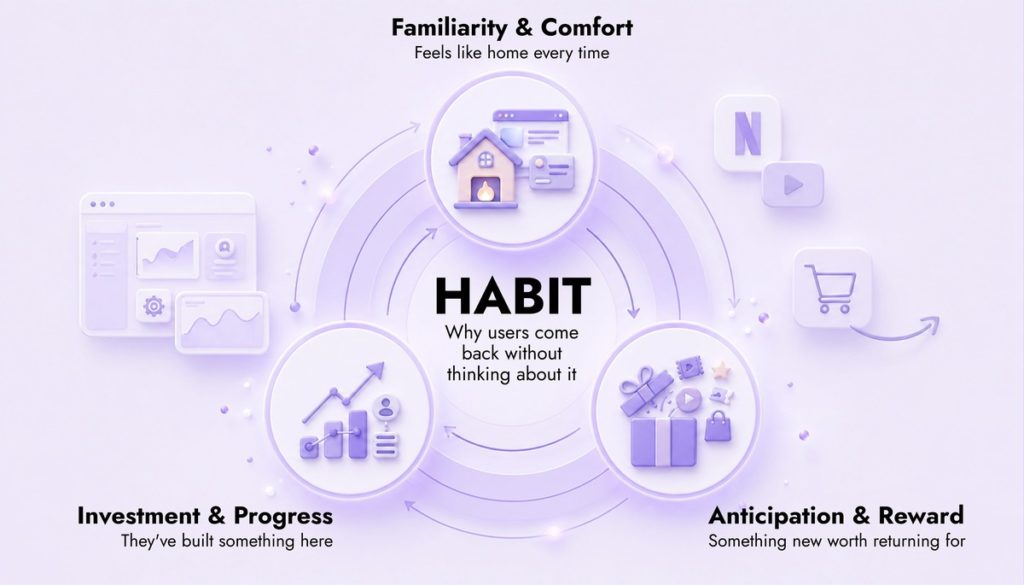
Humans are creatures of habit, but habits only form around things that deliver consistent value. Think about the apps and websites you visit daily: they’ve earned that slot in your routine because they make you feel something. They’re useful, they’re enjoyable, and they reward your time.
The same psychological levers that make Netflix hard to quit or Amazon easy to shop on can be built into your website’s UX design. Here’s how:
1. Familiarity and Comfort
Consistency in design, your colours, fonts, layout patterns, and tone build familiarity. When someone returns to your site, and it feels the same as they remembered, their brain rewards them with a small hit of comfort and recognition. This is why good branding and consistent web design and development go hand in hand with retention.
Amazon hasn’t overhauled its homepage design in years. Not because they lack the budget, but because familiarity is a feature, not a flaw. Users know exactly where to go. That muscle memory keeps them coming back.
2. Anticipation and Reward
Fresh content, new products, and updated tools create anticipation. When users know that revisiting your site will be worth it, they build the habit. This is the same mechanism behind daily news apps and social media feeds. If your site is static and never changes, there’s no reason to check back in.
3. Investment and Progress
People return to things they’ve invested in. If your web application design and development includes features like saved preferences, wishlists, progress trackers, or personalized dashboards, users feel ownership over their experience. That sense of investment is a powerful retention tool.
UX Strategies That Keep Users Coming Back
Now, let’s go over some strategies on how to design websites that users return to.
Speed: The Non-Negotiable Foundation
Before any other UX strategy can work, your site has to be fast. Retailers lose an estimated $2.6 billion annually due to slow websites. Speed is not a technical consideration; it’s a UX consideration, a conversion consideration, and a user retention consideration.
Optimize your images, use modern formats like WebP, leverage browser caching, and invest in solid hosting. If your site is part of a web application design and development project, make sure performance benchmarks are built into the brief from day one.
Navigation That Feels Effortless
Your navigation structure is the single most important UX element for retention. If a user can’t find what they need within a few clicks, they’ll find another site that makes it easier. And they won’t forget the frustration.
Best practices for retention-focused navigation:
- Stick to no more than 7 top-level menu items; cognitive load is real.
- Use mega menus or contextual dropdowns for large sites with deep content.
- Include a persistent search bar for content-heavy sites.
- Use sticky headers so navigation is always accessible.
- Highlight the current page so users always know where they are.
Apple’s website is often cited as the gold standard for intuitive navigation, but look closely: they actually break the “Rule of 7” with 10+ items in their top bar. How do they keep it from feeling overwhelming?
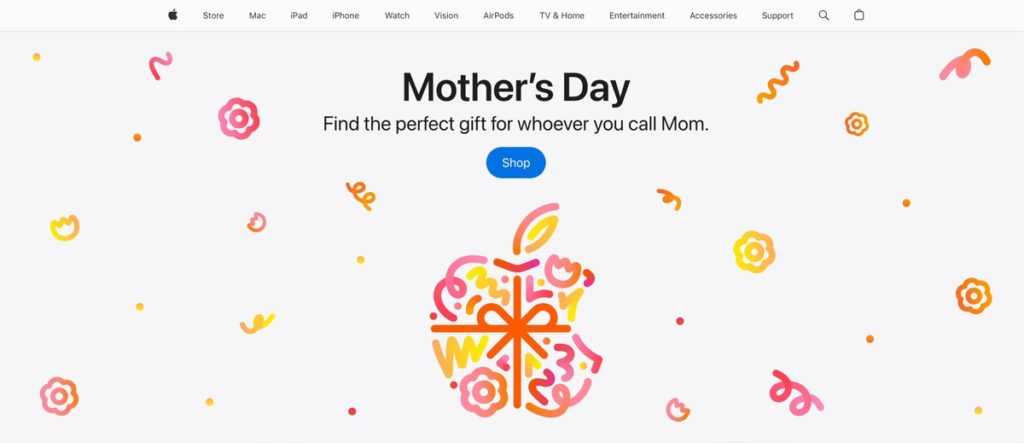
- Visual Chunking: They use clear spacing and high-recognition keywords (Store, Mac, iPhone). You don’t “read” the menu; you “recognize” the icons.
- Product Hierarchy: Every product line is immediately accessible. They prioritize user-retention web design by ensuring that even with a broad catalogue, the path to the newest iPhone or support page is frictionless.
- Consistency: The navigation behaviour is identical across every device. This builds “muscle memory,” a key component of tactics to enhance a website’s stickiness.
Visual Design That Creates Emotional Connection
People don’t just use websites; they feel them. Colour, typography, imagery, and whitespace all communicate tone and values before a single word is read. Emotional design is one of the most underestimated user retention web design strategies available.
When Airbnb redesigned its interface around the concept of “Belonging Anywhere,” it moved away from the cold, industrial look of traditional travel search engines. By using:
- Human-Centric Photography: High-quality imagery of real homes and diverse hosts.
- Warm Palettes: Moving toward “Rausch” (a signature coral-red) to evoke passion and energy.
- Soft UI Elements: Rounded corners and friendly typography that feel approachable.
They weren’t just improving aesthetics; they were building a “trust bridge.” This emotional connection is exactly what makes users return to a website even when they aren’t ready to buy; they return because the environment feels good to be in.
For your own web design, consider:
- Using photography that reflects your actual customers, not stock imagery.
- Choosing a typography system that communicates your brand personality, a law firm, and a creative agency should feel completely different.
- Building a consistent colour system that appears across every page.
- Leaving breathing room, whitespace is not wasted space; it’s clarity.
Micro-Interactions: The Details That Delight
Micro-interactions are the small animations and feedback moments that make a website feel alive. A button that subtly changes on hover. A form field that highlights when active. A progress indicator that shows where you are in a checkout flow.
Individually, these seem minor. Collectively, they create an experience that feels polished, intentional, and worth returning to. They signal that someone cared. That care is something users notice, even if they can’t articulate it.
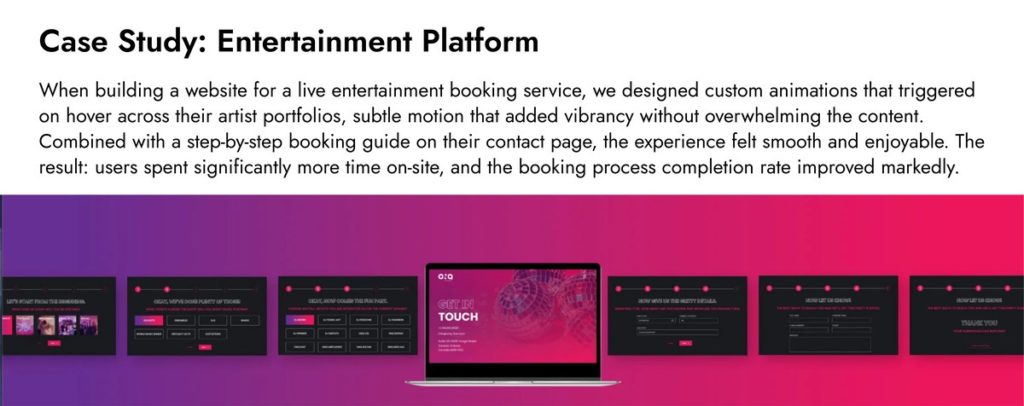
These were some of the best UX strategies to improve user retention.
Content Strategy and Repeat Traffic
Design and content are inseparable when it comes to user retention. Your UX creates the container; your content is what fills it with value. Without a content strategy, even the most beautifully designed site goes stale. Let’s check out some other tips to understand what makes users return to a website.
Give People a Reason to Return
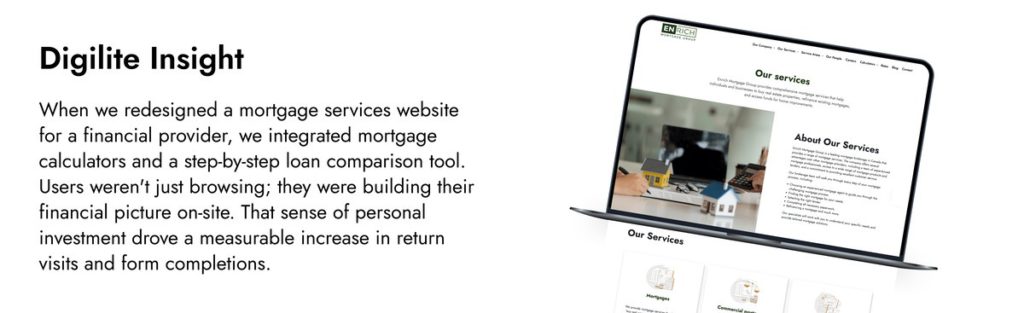
The most straightforward answer to ‘how to increase repeat traffic on a website’ is simple: be consistently valuable. Blog posts, industry insights, updated resources, tools, calculators, and anything that provides ongoing value give users a reason to come back.
HubSpot built a billion-dollar business largely on this principle. Their free tools and regular content publications mean that marketers visit their site multiple times per week, not because they’re running ads, but because HubSpot has made itself essential.
From a design perspective, this means your site needs to be structured to surface fresh content easily. Featured blog sections, ‘recently updated’ modules, and email capture forms all support this goal. This ties directly into your search engine optimization and digital marketing services strategy. A content-rich site that people return to is also a site that ranks well.
Personalization at Scale
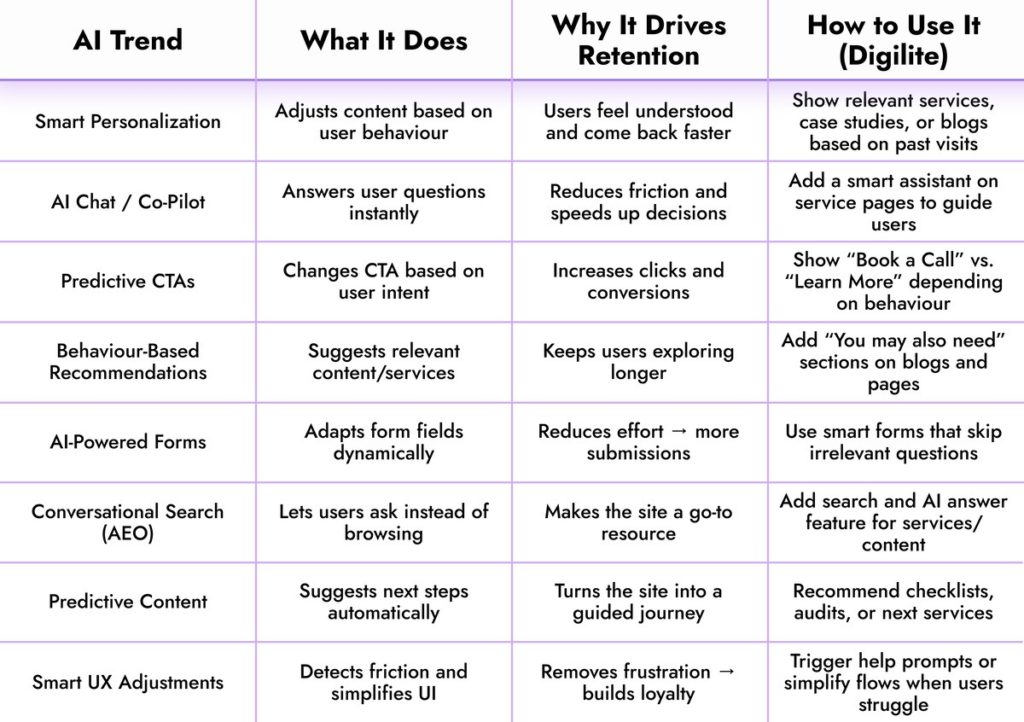
AI-driven personalization is no longer the exclusive domain of tech giants. In 2026, even small business websites can deliver experiences that adapt to the individual. Returning visitors can be greeted with content relevant to their previous sessions. E-commerce sites can surface recently viewed products. Blog sites can recommend articles based on reading history.
This kind of dynamic content optimization is a core part of modern web application design and development, and it’s one of the most powerful tools for creating a site that users enjoy revisiting. Spotify built its entire retention model on this: the more you use it, the more it feels like it was made just for you.
Mobile-First Is Not Optional
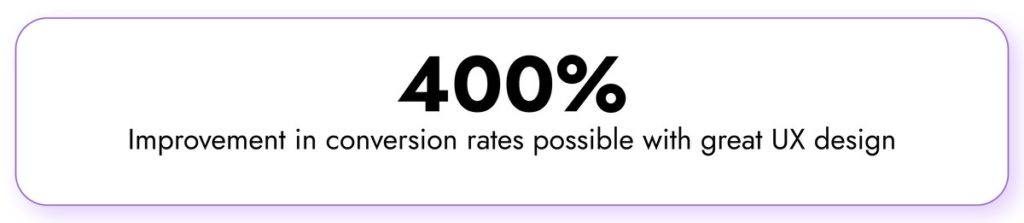
Mobile-friendly sites drive close to 50% more engagement from visitors. More importantly, over half of your users are probably visiting from a mobile device. If your mobile experience is clunky, slow, or hard to navigate, you’re cutting off retention before it begins.
Responsive design is the baseline. But the best mobile app design and development thinking goes further; it means designing for thumb navigation, optimizing for smaller screens, ensuring buttons are tappable, and prioritizing the actions that mobile users actually want to take.
Technical Foundations That Support Long-Term Retention
What else can you do to create a website that users enjoy revisiting?
Accessibility: Inclusion Is a Retention Strategy
Web accessibility isn’t just an ethical obligation; it’s a business advantage. Designing for all users, including those with visual, motor, or cognitive differences, expands your audience and signals that your brand cares. AI solutions now exist to scan sites in real time for accessibility gaps, poor contrast, missing alt text, or navigation elements that don’t work with screen readers, and flag them automatically.
The WCAG 2.1 guidelines are the standard. Building to AA compliance should be part of every web design process from the beginning, not bolted on at the end.
SEO and UX: More Connected Than You Think
Google’s ranking algorithms increasingly reward UX signals: Core Web Vitals, time on site, bounce rate, and mobile usability all feed into how well your site performs in search. This means good UX design is also good search engine optimization.
When users spend more time on your site, revisit frequently, and engage with multiple pages per session, search engines interpret these as quality signals. Your design strategy and your SEO strategy are not separate conversations; they should be the same conversation. And when combined with strong digital marketing services like PPC advertising and social media marketing, you create a flywheel: traffic drives engagement, engagement drives rankings, and rankings drive more traffic.
Website Stickiness: Keeping Users Engaged Longer
Stickiness refers to the features and design elements that keep users on your site longer and make them more likely to return. Tactics to enhance your website’s stickiness include:
- Internal linking that guides users naturally through related content.
- Video content embedded directly on the page, autoplay (muted) in hero sections, can increase time on site significantly.
- Interactive tools, calculators, quizzes, configurators, and comparison tools all extend session time.
- Community features, comments sections, forums, or user-generated content that create social investment.
- Push notifications or email marketing capture that brings users back after they’ve left.
For e-commerce, specifically, the features for a high-converting Shopify website lean heavily on stickiness tools: wishlists, back-in-stock notifications, loyalty programmes, and product review systems all give customers ongoing reasons to engage with your store.
Real Brands, Real Lessons
Duolingo didn’t become the world’s most downloaded education app by accident. Their retention strategy is a masterclass in gamification, streaks, badges, and daily reminders that create habit loops that bring 500 million users back every day. The web design mirrors this: progress is always visible, achievements are celebrated, and the experience is joyful. Design can create habits.
Notion built a devoted audience by making its website reflect the product itself, clean, infinitely flexible, and clearly for people who care about how they work. Their blog, case studies, and template library give users a reason to revisit constantly. The design communicates trust, and trust drives retention.
ASOS understands mobile-first shopping better than almost anyone. Their recently viewed items, saved searches, wishlists, and personalized homepage sections mean that every return visit feels like the site knows who you are. That personalization isn’t magic; it’s a deliberate Shopify website development and UX strategy that treats retention as core to revenue.
Building Your UX Retention Roadmap
You don’t need to overhaul your entire website overnight. Improving user retention through web design is an iterative process, and even small changes can have a significant impact. Here’s a practical framework to get started:
Step 1: Audit Your Current Experience
Use heatmapping tools like Hotjar or Microsoft Clarity to understand where users are clicking, scrolling, and dropping off. Review your analytics to find pages with high bounce rates and short session times; these are your biggest opportunities.
Step 2: Fix the Fundamentals
Before adding new features, ensure your foundation is solid. Page speed, mobile responsiveness, and clear navigation are non-negotiables. Your web design process should always start here.
Step 3: Add Value Layers
Introduce content that gives users a reason to return: a blog, a resource library, a tool, or a calculator relevant to your industry. Connect this to your email marketing and social media marketing strategies to build a re-engagement loop.
Step 4: Personalize and Iterate
As you gather data on how users behave, use it to make your site smarter. Personalized recommendations, dynamic content, and A/B testing (increasingly powered by AI solutions) allow you to continuously improve the experience.
Step 5: Measure What Matters
Repeat visit rate, time on site, pages per session, and conversion rate on return visits are your north star metrics. Track them consistently, and let the data guide your next iteration.
Great web design is not a one-time project; it’s an ongoing relationship between your business and the people who visit your site. The most successful brands understand this, and they invest accordingly. If you’re ready to build a website that doesn’t just attract visitors but turns them into loyal, returning customers, our team at Digilite specializes in exactly that, from branding and UX strategy to web design and development, mobile app design and development, and the digital marketing services that keep your audience engaged long after they’ve left your site.

Frequently Asked Questions
- What is user retention in web design?
It’s how well your website brings users back. Strong retention means your site is useful, easy to use, and delivers consistent value.
- How does design affect repeat traffic?
Fast loading, clear navigation, and memorable experiences make users more likely to return. Features like saved preferences and fresh content also help.
- What UX elements keep users engaged?
Simple navigation, fast speed, mobile-friendly design, micro-interactions, and personalized content are the most important.
- How long to see improvements after a redesign?
You can see early results in 4-8 weeks. Long-term improvements come from continuous testing and optimization.
- Does web design impact SEO?
Yes. Speed, usability, and engagement all affect rankings. Better UX usually leads to better SEO performance.
- What works best for e-commerce retention?
Wishlists, personalized recommendations, easy checkout, and loyalty programs help bring users back.
- How important is mobile design?
Very. Most users browse on mobile, so a poor mobile experience quickly loses repeat visitors.
- Can small businesses compete with big brands on UX?
Yes. Clear design, fast performance, and smart strategy can outperform bigger competitors, even with smaller budgets.