
Healthcare is changing fast, and business owners are feeling it from every angle: patient expectations, staffing pressure, competition, and the growing demand for convenient care. What used to require an in-person visit can now be handled through an app in healthcare, often within minutes. This shift is not just about technology; it’s about access, experience, and operational efficiency.
For organizations across Canada, clinics, private practices, health retailers, wellness brands, and healthcare platforms, mobile apps in healthcare are becoming a practical way to scale services, reduce friction, and serve more people without expanding physical space.
Below is a business-focused guide on how mobile apps change healthcare access, what makes them effective, and what to consider if you want to build a healthcare app.
The Shift From In-Person Clinics to Digital Healthcare
For years, care delivery depended on location, business hours, and phone-based scheduling. Today, patients expect:
- Self-serve booking
- Instant updates and reminders
- Faster support
- Virtual options
- Clear information in one place
This is why apps for healthcare and telehealth platforms grew so quickly: patients want healthcare to work like modern services in other industries (banking, retail, and travel): accessible, simple, and available anytime.
For business owners, this shift creates a clear opportunity. Investing in healthcare app development can improve client retention, streamline staff workload, and open new service lines (virtual consults, subscriptions, remote monitoring, and digital programs).
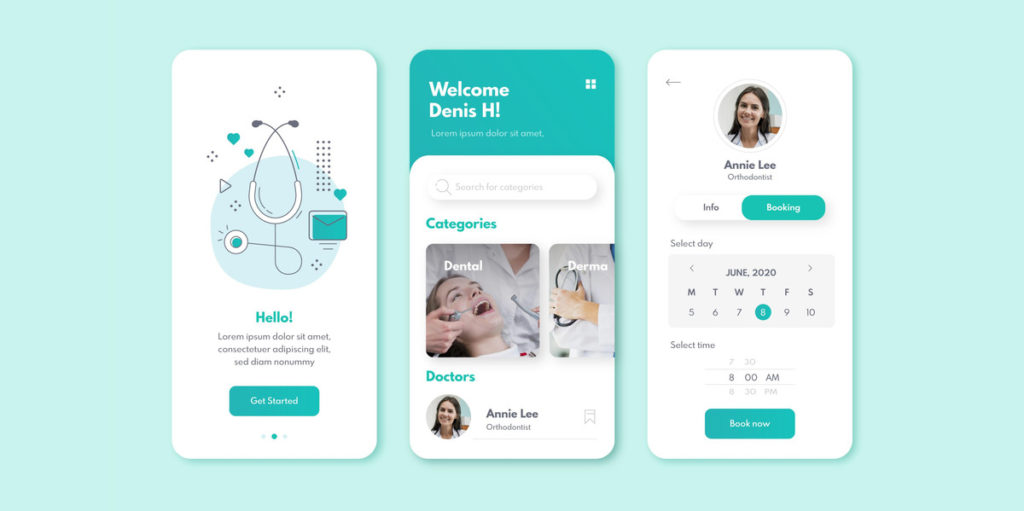
How Mobile Apps Are Expanding Access to Care
When designed well, mobile applications for the health sector can remove some of the most common barriers to healthcare access:
1. Geography and transportation
Patients in rural communities or those with limited mobility can access basic services, triage, consults, and follow-ups without travel.
2. Time and availability
Even in cities, time is a barrier. Apps support after-hours access through asynchronous messaging, digital intake, and scheduling tools.
3. Language and usability
A multilingual personal healthcare app can help new Canadians and diverse communities navigate healthcare information more confidently.
4. Continuity of care
Apps keep patient information, instructions, reminders, and care plans in one place, reducing missed steps and improving follow-through.
5. Cost and system efficiency
When low-risk issues are managed digitally, in-person visits can be reserved for cases that truly need physical assessment, helping reduce bottlenecks.
Key Features That Make Healthcare Apps Effective
If you’re planning to create a healthcare mobile app, features should be guided by your business model and patient needs, not trends. That said, the most successful healthcare applications typically include a strong mix of these essentials:
Core patient-facing features
- Appointment booking and rescheduling
- Digital intake forms (symptoms, history, consent)
- Secure messaging (patient with provider)
- Telehealth video calling
- Push notifications (reminders, updates)
- Prescription refill requests (where applicable)
- Test results access (when integrated)
- Payment and invoices (private care, wellness, subscriptions)
Trust and experience features
- Clear onboarding (what the app does, how data is used)
- Accessibility support (font sizing, contrast, voice support where possible)
- Multilingual UX for broader reach
- Education hub (reliable, easy-to-read info)
- Personalized recommendations (based on user goals and preferences)
Business and operations features
- Admin dashboards for staff workflows
- Role-based access (clinic admin, provider, support)
- Analytics (drop-off points, appointment trends, frequently used features)
- Integration support (Electronic Health Records/Electronic Medical Records, payment tools, calendars, CRM)
In short, strong app development for healthcare balances patient ease with business usability.
Improving Patient Experience Through Mobile Technology
Patient experience is no longer just bedside manner; it includes digital touchpoints:
- How long does it take to book
- How easy are the instructions to find
- Whether reminders prevent missed appointments
- Whether support feels responsive
- Whether the app reduces stress and uncertainty
A great healthcare mobile app development approach focuses on micro-friction: small issues that cause drop-offs (too many steps, unclear forms, confusing navigation).
For business owners, improving experience usually leads to:
- Higher appointment show rates
- Better reviews
- Stronger retention
- Increased referrals
Mobile Apps and the Rise of Telehealth Services
Telehealth is one of the clearest examples of how mobile apps change healthcare access. It enables:
- Follow-ups without travel
- Faster triage for non-emergency concerns
- Ongoing management for chronic conditions
- Mental health support with more privacy
- Better access for patients who avoid clinics due to time, anxiety, or mobility issues
If your organization offers virtual care (or plans to), your app should support:
- Secure video
- Simple appointment flow
- Pre-visit intake
- Post-visit summaries
- Easy next steps (tests, referrals, prescriptions, reminders)
This is where app development in healthcare can directly improve service delivery, not as a “nice-to-have,” but as a core channel.
Data Security, Privacy, and Compliance in Healthcare Apps
In healthcare, trust is everything. If you’re investing in healthcare app development, security and compliance must be built in from the start, not added later.
Key areas to plan for:
Privacy and consent
- Transparent consent flows (what data is collected and why)
- Clear privacy policies written in plain language
- Ability for users to manage permissions (where appropriate)
Security fundamentals
- Encryption in transit (data moving) and at rest (data stored)
- Secure authentication (ideally including multi-factor options)
- Role-based access controls (limit who can see what)
- Audit trails (who accessed data and when)
Compliance considerations
Healthcare privacy often includes federal and provincial requirements (depending on your operations and data handling). You’ll want legal and technical alignment early so your healthcare applications are designed with the right safeguards.
Vendor and infrastructure checks
If you use third-party services (video, analytics, cloud storage), you need clarity on:
- Data handling practices
- Storage location/data residency expectations
- Security certifications and incident response plans
For many organizations, this is one of the biggest reasons to work with experienced teams in healthcare mobile app development.
Challenges and Limitations of Mobile Healthcare Apps
Even the best idea can struggle if it ignores real-world constraints. Common challenges in app development for healthcare include:
1. Adoption friction
If onboarding is complicated, patients won’t use it, no matter how valuable it is.
2. Digital divide
Not every user has the latest phone, stable internet, or confidence with technology. Accessibility and simplified UX matter.
3. Integration complexity
Connecting to EMRs, scheduling systems, payments, or third-party tools can be time-consuming and expensive.
4. Workflow mismatch
If providers feel the app adds steps (instead of reducing them), internal adoption drops.
5. Privacy concerns
Users are cautious about health data. You must communicate security clearly and consistently.
The solution is not to “add more features,” it’s to define the right product scope, validate it with real users, and build iteratively.
Digilite Example: HealthEzy
A strong example of how digital platforms can support healthcare access is HealthEzy.
HealthEzy aims to simplify the healthcare product space through a software application available on the App Store and the Play Store. It’s built for both:
- Consumers looking for trustworthy product information
- Healthcare providers who want reliable recommendations
The goal is clear: empower informed decisions with accurate insights, while keeping the experience easy to use.
Landing page design and web build (Elementor-based)
Digilite collaborated closely with HealthEzy to develop a template-based landing page aligned with the mission of “making health easy worldwide.” The site is currently in the design approval phase and is structured to support the app’s upcoming launch, focusing on intuitive usability and informative content.
Using the Elementor plugin, Digilite built a visually compelling and dynamic website and integrated custom blocks to match the project’s specific needs. This approach supported performance, usability, and a strong first impression, key ingredients when launching a healthcare platform.
Mobile app design (user-centred and multilingual)
HealthEzy’s app is designed as a multilingual guide for analyzing and making informed choices about everyday products. The user experience includes:
- Barcode scanning for instant product analysis
- Comparison tools to evaluate alternatives
- Personalized recommendations aligned with health goals
- Consistent visuals across screens to strengthen brand identity
- Guided download experience and interactive tutorials so users feel confident right away
For healthcare businesses, this is a useful model: pairing a strong web presence with a thoughtfully designed app can support trust, education, and ongoing engagement.
If You Want to Build a Healthcare App, Think Beyond the App
A successful launch often includes the full digital ecosystem around it:
- Branding that builds trust quickly
- Web design and development for a high-converting landing page
- Web application design and development for provider dashboards and admin tools
- Search engine optimization (SEO) and App Store Optimization (ASO) so people can find you
- PPC advertising to generate early demand and accelerate growth
- Local business marketing strategies if you serve specific regions
- Digital marketing services that support awareness, onboarding funnels, and retention
- AI solutions (where appropriate) to improve support, personalization, and workflow
- Tools to organize your business online (CRM, scheduling, automation, analytics) to keep operations efficient
Mobile apps change healthcare access by making care more convenient, consistent, and scalable. For healthcare business owners, the question is no longer whether digital healthcare matters; it’s how to implement it in a way that strengthens outcomes and operations.
If you’re exploring healthcare app development, whether you want to create a healthcare mobile app, improve an existing platform, or connect your app experience with a high-performing website and marketing funnel, Digilite can support both the build and the growth strategy, as shown in projects like HealthEzy.