
Modern car buyers live online. Did you know 92% of car shoppers research online before they ever step into a dealership? That first experience on your website or app can make all the difference. A smooth, easy digital journey is no longer just a bonus; it’s a loyalty driver, with 7 out of 10 automotive customers saying it influences whether they stick with a brand.
In this blog, we’ll break down how automotive websites and mobile apps build loyalty, the must-have features to include, why mobile-first matters, and how connecting your app and website creates a better customer experience. We’ll also cover the business benefits, common challenges to plan for, and the trends shaping the future of automotive engagement.
Why Automotive Apps and Websites Are Driving Customer Loyalty
Today’s automotive customers expect digital convenience at every step, from researching vehicles online to booking service in just a few taps. But if your website or app feels slow or confusing, why would they come back? When you meet these expectations, loyalty grows because the digital experience is often where the customer journey starts.
Mobile apps in particular have emerged as loyalty powerhouses. An app keeps your brand in a customer’s pocket, and when done right, it deepens engagement beyond what a standard website can. Research shows that branded auto app users are 73% more likely to make a purchase and even spend 7% more compared to those who only use a mobile website. This means features like in-app service reminders, loyalty rewards, or personalized offers can translate directly into revenue and retention. In fact, internal industry data indicates that over half of customers who actively use their automaker’s app plan to buy from that brand again. The message is clear: automotive apps and websites that put users in the driver’s seat, through convenience, personal touches, and useful features, cultivate lasting loyalty.
Features That Make Automotive Websites and Apps Effective
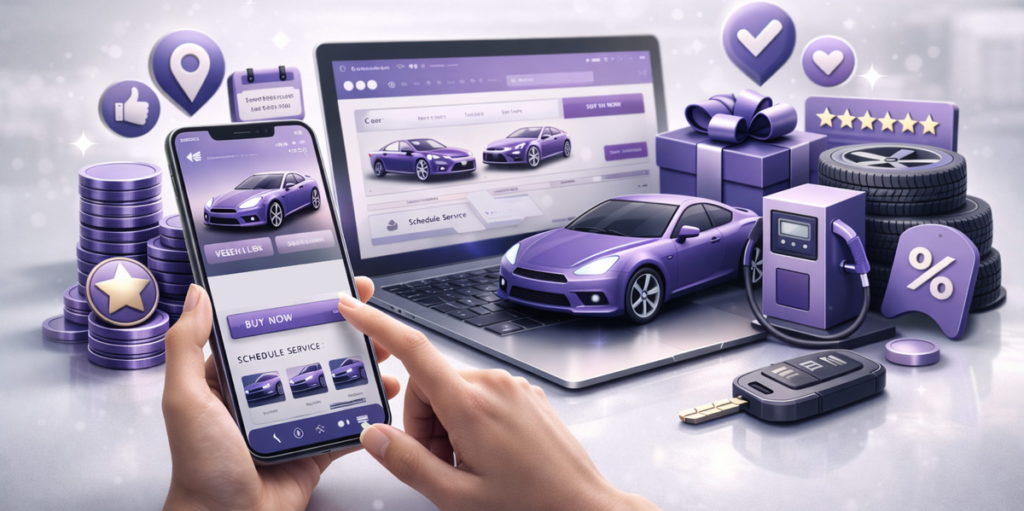
Not all automotive websites or apps perform the same. What makes some keep customers coming back? The best ones share a few must-have features; here are the key ones to focus on.
- Mobile-First, Responsive Design: A huge portion of your traffic will come via smartphones. Mobile users now generate about 60% of all automotive website traffic, so a mobile-first design is essential. Your site and app should be fully responsive, fast-loading, and easy to navigate on small screens. Simple menus, large tap targets, and quick load times prevent mobile visitors from bouncing. At Digilite, our web design and development team prioritizes responsive design so no customer is left squinting or scrolling endlessly on a phone.
- High-Quality Visuals & Virtual Showrooms: Vehicles are visual products. Successful automotive sites feature high-resolution photos, videos, 360° spin views, and even virtual or augmented reality tours of cars. This provides online shoppers with a showroom-like experience from the comfort of their own home. For example, interactive 3D car configurators or virtual test drive videos let users “experience” a vehicle, building excitement and confidence in their choice. These features are all part of delivering a superior digital experience for automotive brands, allowing customers to interact with the product in a more immersive way.
- Interactive Tools (Calculators & Comparisons): To turn browsers into buyers, provide useful tools. Payment calculators, trade-in valuation tools, and side-by-side vehicle comparison features help customers make informed decisions. These interactive elements keep users on your site or app longer and empower them with information, which they’ll appreciate. A prominent call-to-action (CTA) like “Schedule a Test Drive” or “Get Financing Quote” should be readily available once they’ve done their research.
- Personalization and AI Assistants: Great automotive digital experiences feel tailored to the user. Implement features like personalized vehicle recommendations (“Recommended for you”) based on browsing history, or location-based service offers. Many top dealerships use AI-powered chatbots or virtual assistants to handle common inquiries 24/7. These chatbots can answer FAQs, help book service appointments, and even guide users to inventory – all without human intervention. Websites with personalized content and AI chat support keep customers more engaged, fostering long-term relationships. Our team at Digilite often integrates web application design and development solutions like chatbots and custom recommendation engines to deliver this level of personalization.
- Seamless Navigation and Search: Automotive websites tend to have lots of inventory and information. An effective site makes it simple for users to find what they need. Clear menus, filters for inventory search (by make, model, year, price, etc.), and a robust search function are crucial. If a customer can quickly filter down to the exact vehicle or service they’re interested in, they’re more likely to convert into a lead. Conversely, confusing navigation will send them to a competitor’s site with a click.
- Integrated Reviews and Social Proof: To build trust, showcase what others say about you. Including customer reviews, testimonials, and even links to your latest social media posts can reassure visitors that your dealership or service is reputable. Car buyers often seek validation in reviews or ratings. Putting these on your site or app keeps them within your ecosystem and instills confidence to take the next step.
Benefits of Automotive Website Development
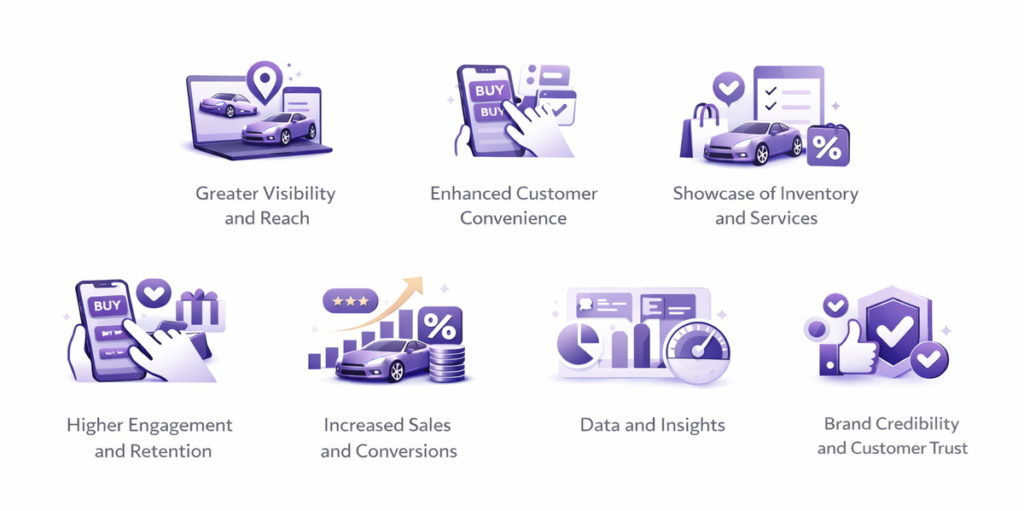
Investing in a modern automotive website (and its mobile app counterpart) pays dividends for your business. Here are some of the major benefits a well-designed digital presence can deliver:
- Greater Visibility and Reach: Your website is your digital storefront, and often the first place customers find you. When it’s professional and SEO-friendly, you show up higher in search results right where most car shoppers start. And because your site is open 24/7, it can bring in leads even after hours, so your dealership or shop stays visible anytime people are searching.
- Enhanced Customer Convenience: A key benefit of robust automotive websites is the self-service convenience they offer. Customers can browse inventory, compare models, check prices, schedule test drives or service appointments, and even start the financing process – all from the comfort of home. This not only improves their experience but also filters in more serious buyers to your showroom.
- Showcase of Inventory and Services: With unlimited virtual space, you can showcase every vehicle in detail, something a physical lot can’t do at all times. High-quality images, spec details, and even video tours for each car help customers explore your inventory thoroughly. You can equally highlight services (parts, maintenance packages, insurance, etc.) on your site, ensuring customers see the full range of what you offer. This comprehensive exposure often leads to upsells (e.g. a site visitor might discover you offer detailing services or extended warranties and purchase those).
- Higher Engagement and Retention: A great website or app doesn’t just bring people in; it gives them reasons to come back. Things like personalized content, loyalty features, helpful blogs, and AI chat support keep customers engaged even when they’re not shopping right now. For example, maintenance tips on your site or recall and service reminders through your app add real value and keep your brand top of mind between purchases.
- Increased Sales and Conversions: A strong website or app doesn’t just look good; it helps you sell more. When the experience is fast, clear, and trustworthy, more visitors turn into leads, bookings, or buyers. Even small upgrades like quicker load times and stronger calls to action can boost conversions. Plus, customers who stay engaged online are often more loyal and spend more over time.
- Data and Insights: Your website and app generate valuable data like which vehicles get the most views, what customers search for, and where they drop off. That helps you improve key pages (like financing) and spot trends (like rising EV interest). It’s insight you simply can’t get from showroom walk-ins alone.
- Brand Credibility and Customer Trust: These days, a clean, easy-to-use website or app makes your business look professional and trustworthy. If your site feels outdated or glitchy, people start to wonder what else might be off. A strong digital experience sets the right tone and makes in-person visits feel smoother, too.
The Future of Automotive Customer Engagement
The road ahead for automotive brands is undeniably digital. As we look to the future, several trends are emerging that will shape how you engage customers and build loyalty:
Online Car Buying Becomes Mainstream
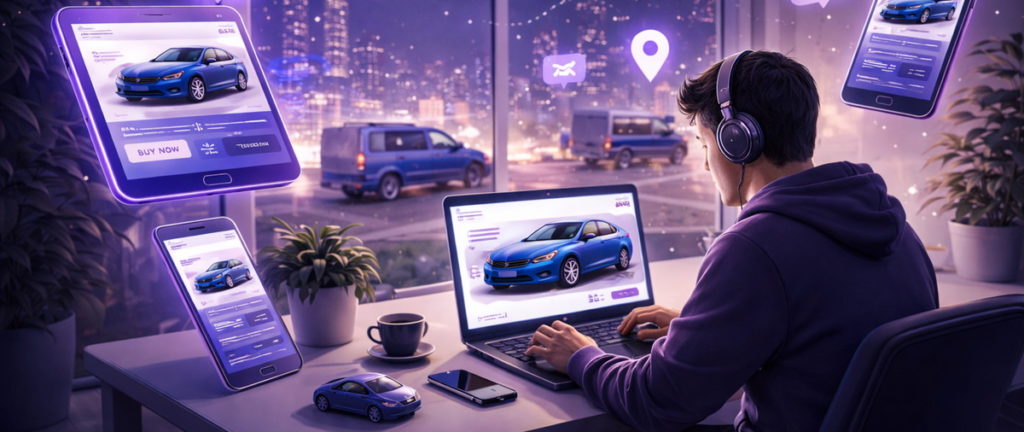
The shift to e-commerce in automotive is accelerating. New generations of car buyers are far more comfortable purchasing vehicles online. Already, over 20% of Millennials and Gen Z shoppers prefer online vehicle purchases to the traditional showroom experience, and this percentage will only grow. In practical terms, this means your website must evolve into a full-fledged digital sales platform, complete with rich media, online financing, transparent pricing, and even online contracting or delivery options. The brands that can perfect an Amazon-like ease for buying or leasing a car will have a strong competitive edge in winning younger, tech-savvy customers.
Expansion of Mobile App Utility
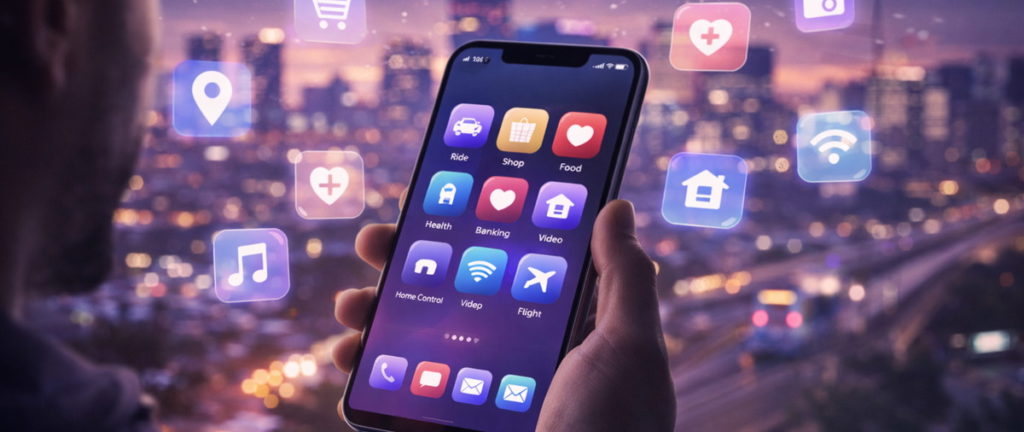
Automotive apps are going to play a much bigger role in how people own and interact with their vehicles. Right now, a lot of dealer and manufacturer apps are underused—often because customers don’t know about them or they don’t offer enough value yet. But that’s a big opportunity. As brands improve these apps, they’ll start combining more features in one place, like a digital key, remote controls, maintenance reminders, payments for charging or tolls, and even exclusive owner content or communities. The more useful the app becomes, the more often customers will use it between purchases, and that’s what builds loyalty.
Connected Car Ecosystems
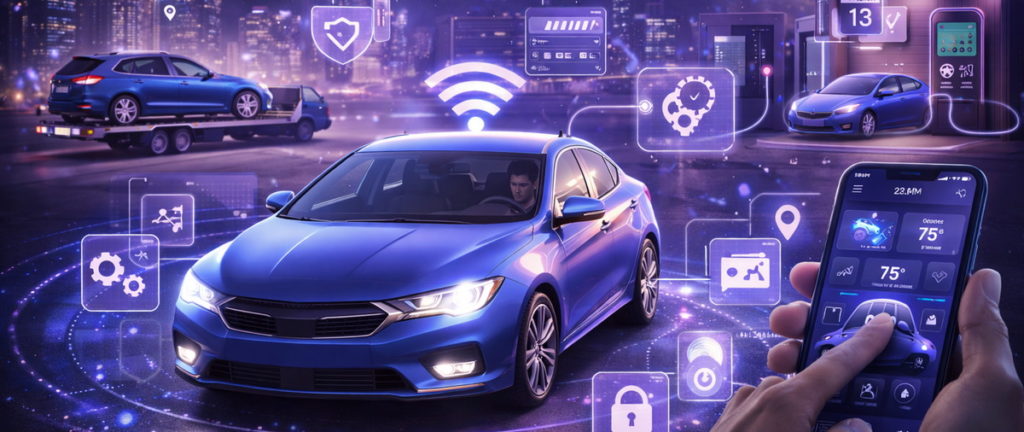
Connected cars and in-vehicle IoT mean the digital experience won’t stop at the website or app it will extend right into the car. Many newer vehicles already get over-the-air updates like a smartphone, and that connection will only grow as cars link more closely with the cloud and mobile apps. This opens the door to smarter engagement, like personalized infotainment, proactive maintenance alerts, and even tailored offers such as usage-based insurance.
The big shift is that connected vehicle services help brands move from a one-time sale to ongoing, useful touchpoints throughout the life of the vehicle. For example, a car could alert the driver through an app that a part needs replacing and let them book service at the dealership in one click. When connectivity is used in a helpful, respectful way, it keeps the brand part of the customer’s everyday routine, and that’s what strengthens loyalty long term.
Personalization & AI-Driven Engagement
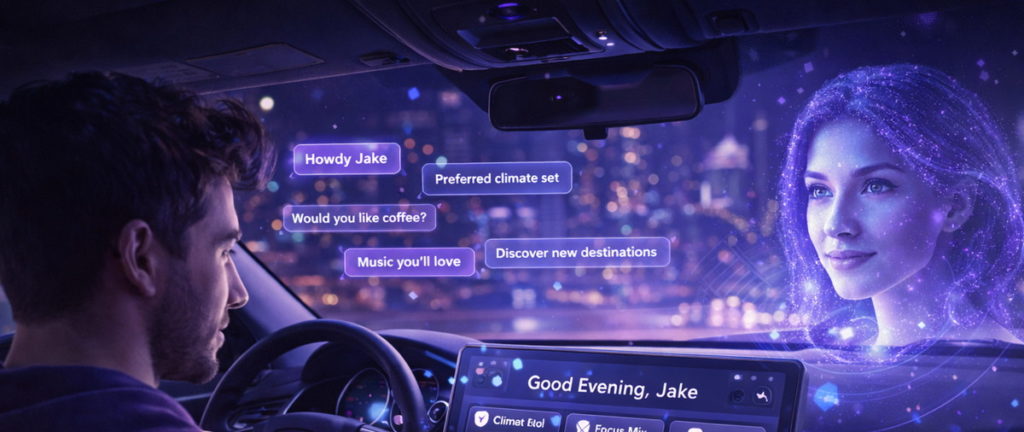
Personalization and AI driven engagement will become more important as one size fits all messaging starts to fade. With AI and machine learning, automotive brands can use customer data such as preferences, driving habits, and online behaviour to deliver more relevant offers and support. For example, if a system knows a customer’s lease ends in six months, it can start showing tailored options for models they are likely to want.
AI support will also improve. Chatbots may go beyond basic questions to help with trade in estimates, service booking, and troubleshooting. At the same time, human support will still matter for more complex situations, so the best experiences will blend AI efficiency with a real person when needed.
Omnichannel and “Phygital” Experiences
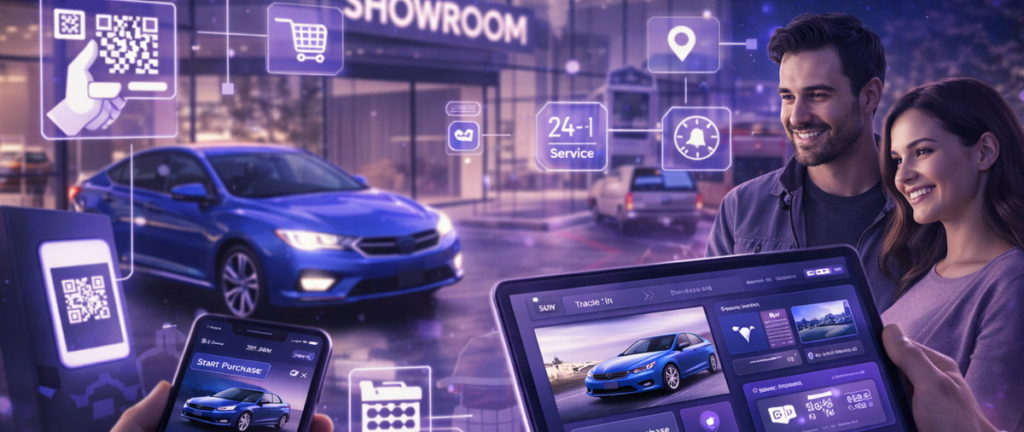
The line between digital and physical will continue to blur. The term “phygital” is often used to describe blending physical and digital showrooms; for example, AR/VR technology allows a customer to use their phone (or a headset at the dealership) to visualize a car in different colours or to see how an accessory would look, bridging online content with the tangible product in front of them. We can expect more innovation here: virtual reality test drives, interactive holographic product displays, and so on. Additionally, omnichannel engagement will be so standard that customers expect every interaction to pick up where the last one left off, regardless of medium. The future dealership might know everything you did on the website and app and have the car you “built” online ready for you to see in person by the time you arrive. Delivering this requires tight integration and data flow, but it dramatically improves customer satisfaction and loyalty by saving time and providing a wow factor.
Subscription Models and Continuous Relationships
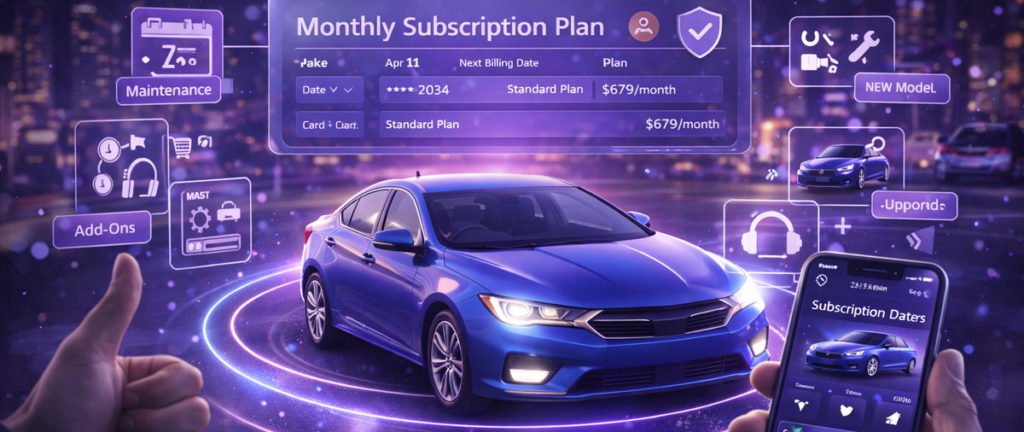
Subscription models and ongoing services are becoming more common in automotive, from car subscription programs to monthly paid features like premium infotainment. As electric vehicles and autonomy grow, the customer relationship will shift from a one-time purchase to an ongoing service experience. That makes strong digital platforms even more important, since websites and apps will manage subscriptions, track usage, and keep customers engaged over time.
To retain subscribers, the app experience needs to be seamless and easy to use because it directly affects satisfaction and loyalty. Over time, loyalty may be measured less by repeat purchases and more by renewals and low churn, which makes a strong digital customer experience a key part of keeping customers long term.
Conclusion & Next Steps
The bottom line is clear: automotive websites and apps have moved from a supporting role to center stage in driving customer loyalty. By offering convenient, engaging digital experiences, you meet your customers where they are online and keep them connected to your brand long after the initial sale. From first impressions on a mobile-friendly website to ongoing interactions through a feature-rich app, the digital journey you provide will determine whether today’s car buyer becomes a lifelong customer or moves on to the competition.
The good news is that you don’t have to navigate this digital transformation alone. Digilite specializes in automotive website development and integrated digital solutions that put your brand in the driver’s seat. We’ve helped dealerships and automotive companies build mobile-first websites, custom apps, and online platforms that delight customers at every turn.Ready to accelerate your automotive digital experience? Contact us today to discover how we can help you build a connected, engaging, and loyal customer base with a custom automotive website and app solution that works for your business.